Jaime Vengoechea
AI-powered. Shaped by Jaime Vengoechea.

The Applied Future.

AI, work, technology, and what comes next.

Sep 14, 2026Source-linked briefingPrevious editions RSS feed
In this edition

Three fresh Monday reads: how Perplexity tests connected workflows with AI, MIT research on enforcing output constraints, and a satellite view of Canada's changing tundra. The common thread is observation and verification: building useful systems means checking what they do, not just what they promise.

This Edition

Sep 14, 2026 · 3 stories
Today's leadCustomer case study

Perplexity uses AI-generated test doubles to check connected workflows

In an OpenAI customer story, Perplexity describes using GPT-6 Astra for end-to-end systems work. One concrete example is generating test programs that simulate realistic responses from external APIs and connectors. That can help check how an application behaves across multiple components. The reported improvements are customer observations, not an independent reliability benchmark.

Read original source
Context & source check

Use AI to expand test coverage, then check that simulated responses match real service contracts. Test doubles can expose workflow failures, but they cannot replace production checks or prove every integration works.

Customer case study. Company source. Source checked Sep 14, 2026. Not independently tested.
The reading list

2 stories

More from This Edition

2 stories
Latest editionResearch report

HardFlow separates creative exploration from hard output constraints

MIT reports a method called HardFlow that steers pretrained flow-matching generative models during inference. It allows intermediate exploration while enforcing constraints on final outputs, without retraining the model. Researchers tested robotic manipulation, maze navigation and image editing. The results concern these research settings, not a general guarantee that AI systems are safe in the real world.

Read original source
Context & source check

Define what a valid output must satisfy before automating a task. This research points toward stronger controls for particular generative models; it is not a ready-made safety upgrade for every chatbot or agent.

Research report. Research institution. Source checked Sep 14, 2026. Not independently tested.

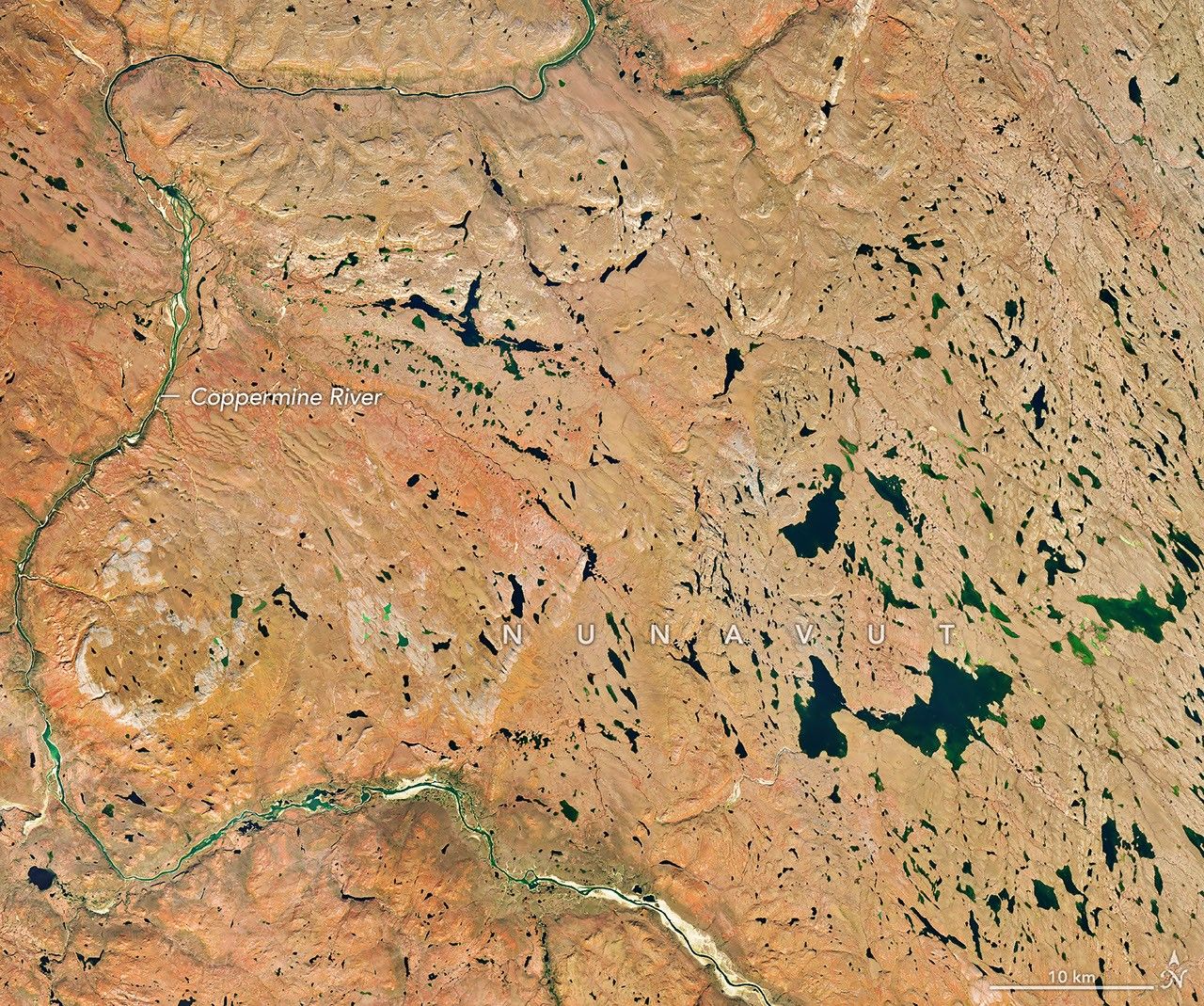
Landsat view of red and orange autumn tundra around the winding Coppermine River in Nunavut on September 6, 2026
Image: NASA Earth Observatory / Michala Garrison; Landsat data: USGS. Image source & credit.
Latest editionImage of the day; September 6 observation

Landsat captures autumn arriving in Canada's Arctic tundra

NASA's September 14 feature compares July 27 and September 6 Landsat images of the Coppermine River region in Nunavut. Green summer vegetation gives way to red and orange tundra. The feature explains seasonal pigment changes and links satellite observations with citizen-science efforts to track foliage. The pictured autumn scene was observed September 6, not today.

Read original source
Context & source check

Repeated observations reveal changes a single snapshot cannot. Satellite data and local observations complement one another; this image alone should not be treated as evidence attributing a change to climate trends.

Image of the day; September 6 observation. Research institution. Source checked Sep 14, 2026. Not independently tested.

Story preview